
-
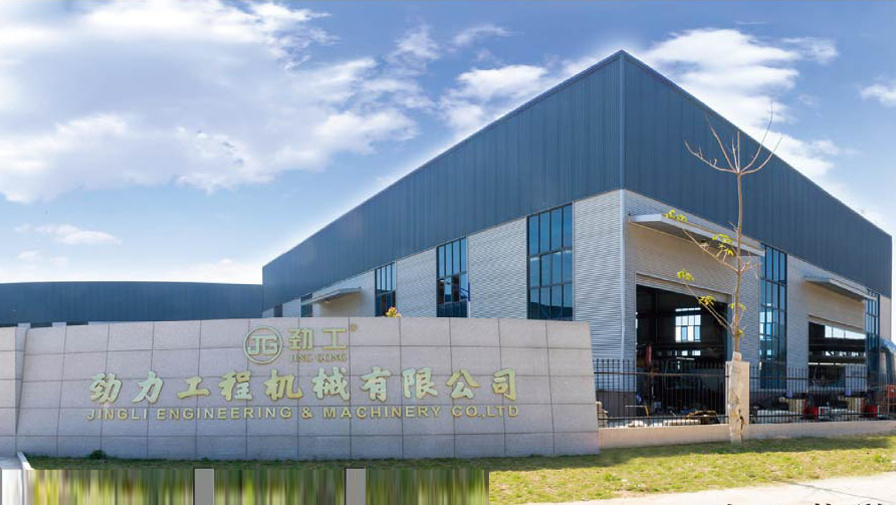
About UsQuanzhou Jinli Engineering Machinery Co., Ltd., established in July 2006, is a professional manufacturer specializing in design, development, production, and sales of equipment machinery.
-
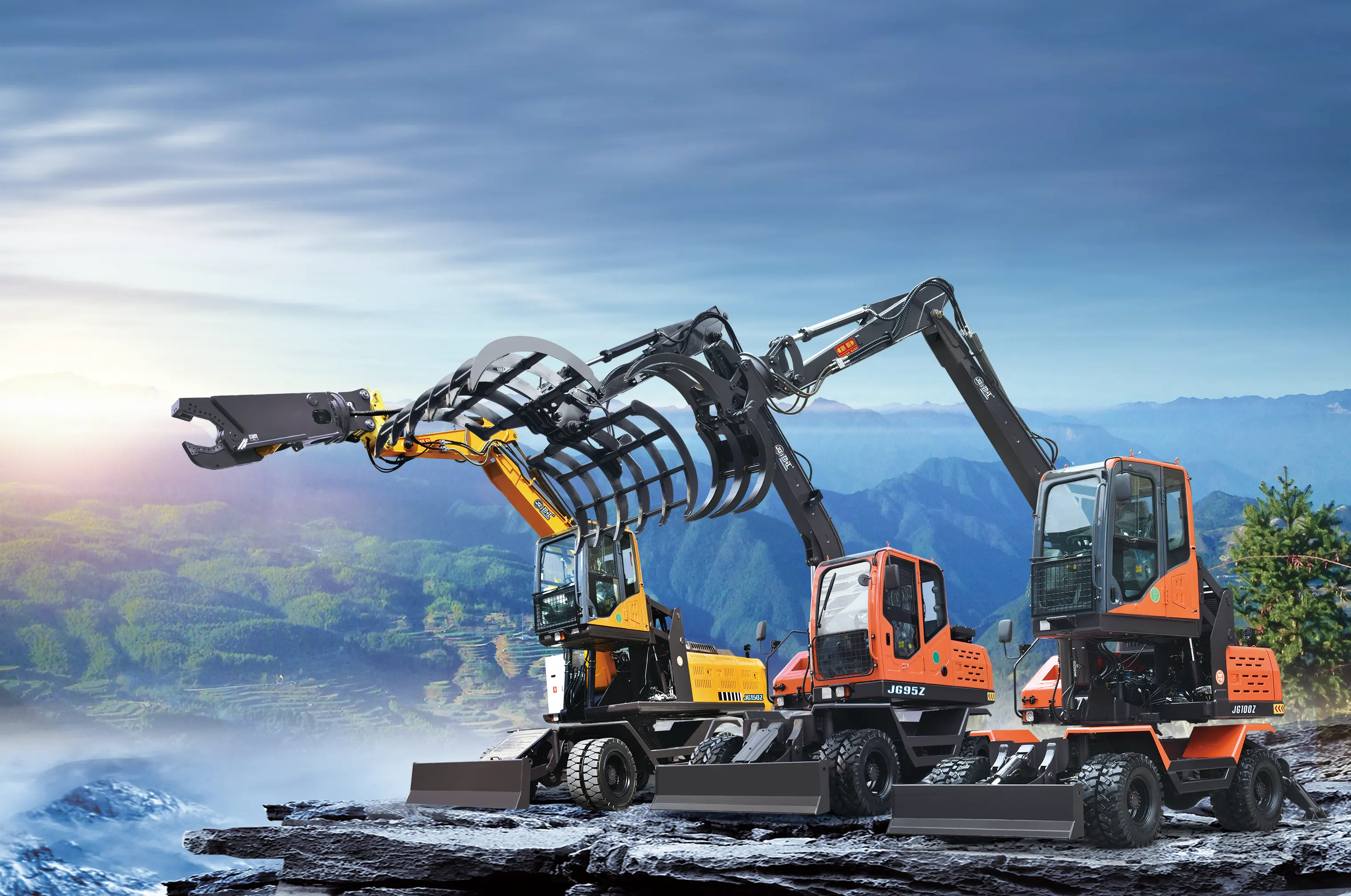
ProductsConstruction machinery: tire excavator, crawler excavator; Forestry machinery: bamboo and wood (sugarcane) picking and loading machines, multifunctional transfer machines; Harvesting machinery: whole rod sugarcane combine har
-
NewsJinggong adheres to the business philosophy of "technology supporting enterprises, quality bearing heavy trust", constantly develops new products guided by market demand, and presents satisfactory products to our customers.

-
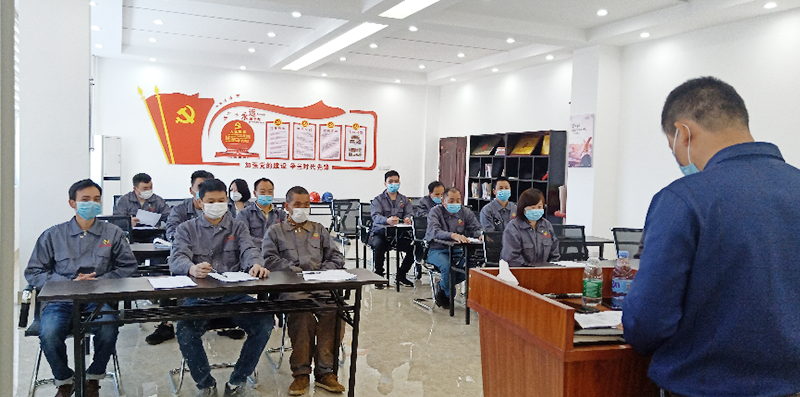
ServiceSince its establishment, we have always adhered to the service philosophy of "being close, caring, full lifecycle, and full value chain".
-
Contact UsCorporate Honors We provide our customers not only with advantageous products, technologies, and services, but also with a comprehensive solution to meet diverse needs, thereby continuously creating value for customers and he


Online Inquiry

JINGONG
NEWS
How to Choose the Right Pickup Machine for Your Construction Needs
TIME:2023-10-11 12:20
1. Introduction: Understanding the Importance of Choosing the Right Pickup Machine
When it comes to construction projects, having the right equipment is crucial for ensuring efficiency, productivity, and safety. One of the key machines often required in construction sites is a pickup machine. Whether it's transporting materials, hauling heavy loads, or performing other essential tasks, a pickup machine plays a vital role in completing construction projects successfully.
Choosing the right pickup machine is not a decision that should be taken lightly. The wrong choice could result in delays, increased costs, and even accidents. Therefore, it's essential to consider various factors and thoroughly evaluate your construction needs before making a purchase. In this article, we will guide you through the process of selecting the perfect pickup machine for your construction needs.
2. Factors to Consider When Choosing a Pickup Machine
2.1. Project Requirements and Scope
Before diving into the specifics of pickup machines, it's important to assess the requirements and scope of your construction project. Consider factors such as the type of materials to be transported, the terrain of the construction site, and the duration of the project. This evaluation will help determine the necessary features and capabilities your pickup machine should have.
2.2. Capacity and Power
The capacity and power of a pickup machine are crucial considerations. Evaluate the weight and volume of materials you will be moving regularly. A pickup machine with a higher payload capacity will be able to handle heavier loads efficiently. Additionally, consider the power source of the pickup machine. Diesel engines are known for their torque and fuel efficiency, making them suitable for heavy-duty applications.
2.3. Durability and Reliability
Construction sites can be demanding environments, so it's crucial to choose a pickup machine that is built to withstand the rigors of daily operations. Look for machines made from robust materials and designed with durability in mind. Additionally, consider the reputation and track record of the manufacturer in producing reliable machines.
2.4. Versatility and Adaptability
Construction projects often involve various tasks that require different functionalities from a pickup machine. A versatile pickup machine that can be easily adapted to perform different functions can significantly enhance productivity. Look for features such as modular attachments, adjustable beds, and versatile lifting capabilities.
2.5. Fuel Efficiency and Environmental Impact
In today's environmentally conscious world, fuel efficiency and reduced emissions are significant considerations. Opt for pickup machines that adhere to environmental regulations and prioritize fuel efficiency. This not only helps reduce your carbon footprint but also saves on fuel costs in the long run.
2.6. Maintenance and Serviceability
Regular maintenance and service are essential for keeping your pickup machine in optimal condition. Consider the availability of spare parts, ease of maintenance, and the manufacturer's after-sales service. A machine that is easy to service and has a reliable support network ensures minimal downtime and maximum productivity.
2.7. Budget and Cost-effectiveness
Establishing a budget and assessing the cost-effectiveness of a pickup machine is crucial. While it's tempting to opt for the cheapest option, it's important to balance cost with quality and long-term value. Consider factors such as initial purchase cost, operational costs, and potential resale value.
2.8. Safety Features and Operator Comfort
Construction sites can be hazardous, so prioritizing safety features is vital. Look for pickup machines equipped with safety features such as rollover protection systems, seat belts, and advanced braking systems. Operator comfort should also be considered, as a comfortable operator is more likely to maintain focus and productivity.
3. Types of Pickup Machines for Construction
3.1. Dump Trucks
Dump trucks are commonly used in construction to transport loose materials such as gravel, sand, and dirt. They feature an open bed that can be tilted backward to unload the materials.
3.2. Flatbed Trucks
Flatbed trucks have a completely flat and open bed, making them ideal for transporting large and irregularly shaped materials. They can also be used to carry other construction equipment.
3.3. Tow Trucks
Tow trucks, also known as recovery trucks, are designed to tow or recover vehicles that are immobilized or damaged. They are commonly used in construction sites for moving equipment or vehicles.
3.4. Utility Trucks
Utility trucks are versatile machines used for various tasks such as transporting tools, equipment, and small materials. They often feature compartments and storage areas for organizing and securing items.
3.5. Crane Trucks
Crane trucks are equipped with a crane for lifting and moving heavy objects. They are commonly used in construction sites for tasks such as loading and unloading materials or placing them in elevated areas.
3.6. Off-road Trucks
Off-road trucks are specifically designed for navigating rough terrains and uneven surfaces. They are commonly used in construction sites where standard trucks may not be suitable.
3.7. Concrete Mixer Trucks
Concrete mixer trucks are equipped with a rotating drum that mixes and transports concrete to construction sites. They provide a convenient and efficient solution for delivering ready-mixed concrete.
3.8. Water Trucks
Water trucks, also known as tanker trucks, are used for transporting water to construction sites. They are commonly used for tasks such as dust suppression, compaction, and filling water tanks.
4. Frequently Asked Questions (FAQs)
4.1. What factors should I consider before purchasing a pickup machine?
Before purchasing a pickup machine, consider factors such as project requirements, capacity and power, durability and reliability, versatility, fuel efficiency, maintenance and serviceability, budget, and safety features.
4.2. How do I determine the right capacity for my pickup machine?
To determine the right capacity for your pickup machine, assess the weight and volume of materials you will be regularly transporting. Choose a pickup machine with a payload capacity that can handle your expected loads.
4.3. What are the different types of pickup machines available in the market?
The different types of pickup machines available in the market include dump trucks, flatbed trucks, tow trucks, utility trucks, crane trucks, off-road trucks, concrete mixer trucks, and water trucks.
4.4. Is it better to choose a diesel or gasoline-powered pickup machine?
Choosing between a diesel or gasoline-powered pickup machine depends on your specific requirements. Diesel engines offer better torque and fuel efficiency, making them suitable for heavy-duty applications, while gasoline engines may be more suitable for lighter tasks.
4.5. What safety features should I look for in a pickup machine?
When choosing a pickup machine, look for safety features such as rollover protection systems, seat belts, advanced braking systems, and visibility enhancements.
4.6. How often should I perform maintenance on my pickup machine?
Maintenance frequency depends on the manufacturer's recommendations and the specific machine. Regularly inspect and service your pickup machine according to the provided maintenance schedule to ensure optimal performance and longevity.
4.7. What is the average lifespan of a pickup machine?
The average lifespan of a pickup machine varies depending on factors such as usage, maintenance, and quality. With proper care and maintenance, a pickup machine can last for many years.
4.8. Can I rent a pickup machine instead of purchasing one?
Yes, renting a pickup machine can be a cost-effective option, especially for short-term projects or when you don't require a machine for continuous use. Rental companies often offer a variety of pickup machines to choose from.
4.9. How can I ensure the pickup machine meets environmental regulations?
To ensure your pickup machine meets environmental regulations, choose machines that adhere to emission standards and fuel efficiency requirements. Consult with the manufacturer or a reputable dealer to confirm compliance.
4.10. Are there any specific pickup machines designed for specialized construction tasks?
Yes, there are specific pickup machines designed for specialized construction tasks. Examples include vacuum excavation trucks for digging and excavating, aerial lift trucks for working at heights, and specialized trucks for transporting hazardous materials.
5. Conclusion
Choosing the right pickup machine for your construction needs is a crucial decision that can significantly impact the success of your projects. By considering factors such as project requirements, capacity and power, durability and reliability, versatility, fuel efficiency, maintenance and serviceability, budget, and safety features, you can make an informed decision. Remember to assess your specific needs, evaluate different types of pickup machines available, and prioritize factors that are essential for your construction tasks. With the right pickup machine by your side, you can enhance productivity, efficiency, and safety on your construction sites.
Related News
Contact Us
No. 88, Pan Cuo, Jiaonan Village, Heshizhen, Luojiang District, Quanzhou City, Fujian Province


