
-
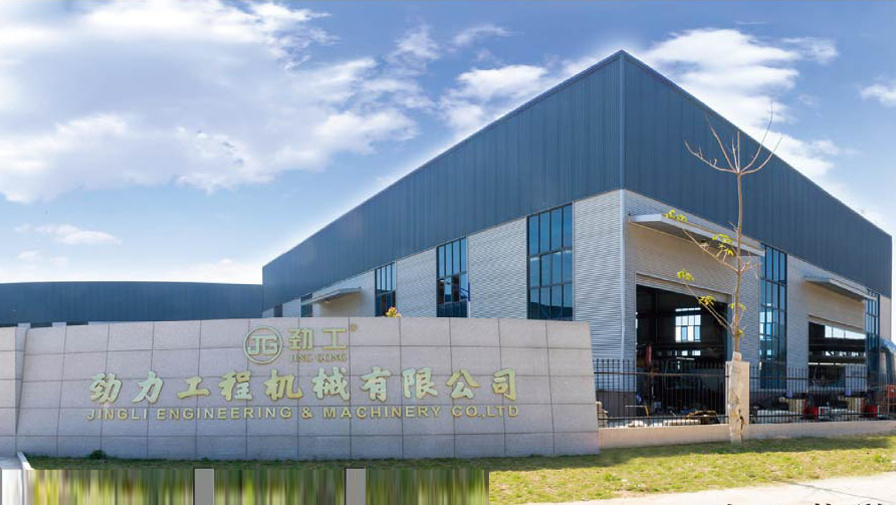
About UsQuanzhou Jinli Engineering Machinery Co., Ltd., established in July 2006, is a professional manufacturer specializing in design, development, production, and sales of equipment machinery.
-
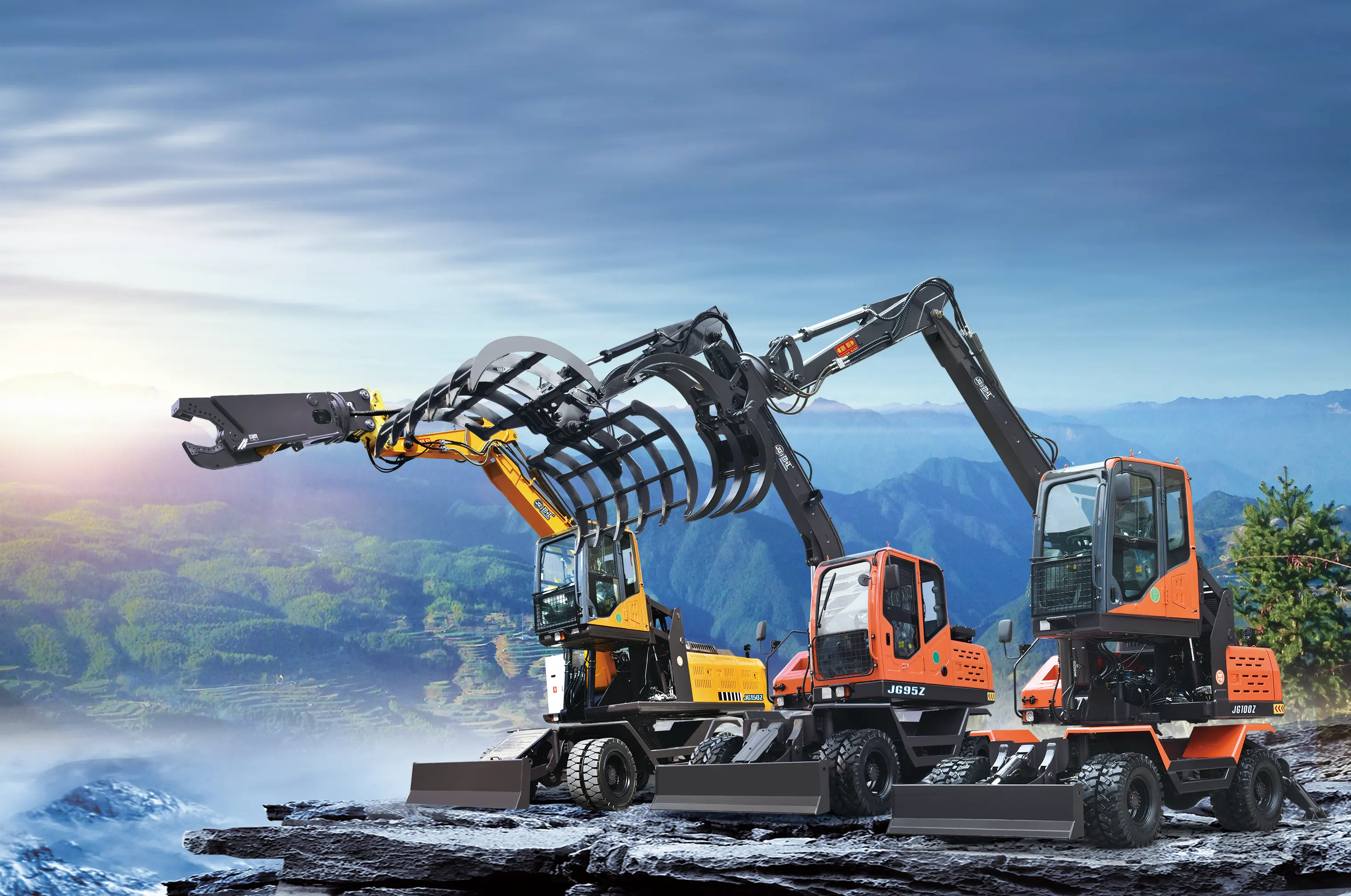
ProductsConstruction machinery: tire excavator, crawler excavator; Forestry machinery: bamboo and wood (sugarcane) picking and loading machines, multifunctional transfer machines; Harvesting machinery: whole rod sugarcane combine har
-
NewsJinggong adheres to the business philosophy of "technology supporting enterprises, quality bearing heavy trust", constantly develops new products guided by market demand, and presents satisfactory products to our customers.

-
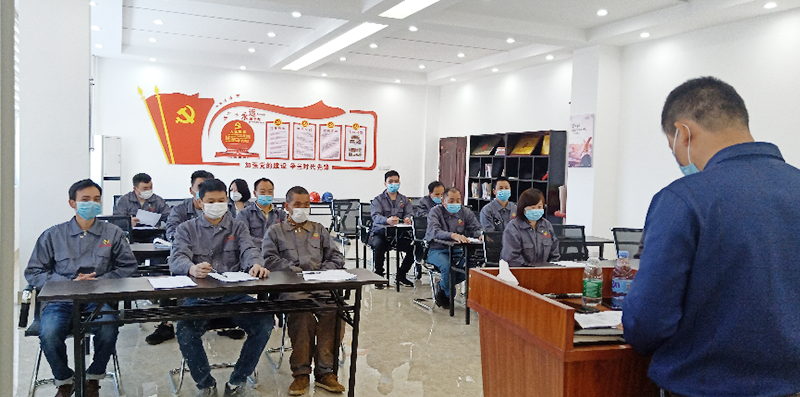
ServiceSince its establishment, we have always adhered to the service philosophy of "being close, caring, full lifecycle, and full value chain".
-
Contact UsCorporate Honors We provide our customers not only with advantageous products, technologies, and services, but also with a comprehensive solution to meet diverse needs, thereby continuously creating value for customers and he


Online Inquiry

JINGONG
NEWS
The Impact of Terrain on the Performance of Caterpillar Wheeled Excavators: Enhancing Efficiency and Productivity
TIME:2023-10-18 10:00
1. Introduction: Understanding the Importance of Terrain in Excavator Performance
Wheeled excavators are versatile machines used in a wide range of construction and earth-moving projects. The performance of these machines can be significantly influenced by the characteristics of the terrain they operate in. By understanding how different terrains impact excavator efficiency, operators can optimize their use and achieve exceptional results.
2. Soil Conditions and Excavator Performance
Soil conditions play a crucial role in determining the effectiveness of excavators. The type of soil, its moisture content, and its compaction level can significantly affect the productivity and movement capabilities of these machines. Excavators may encounter various soil types, such as clay, sand, gravel, or rocky terrain, each requiring specific considerations for optimal performance.
3. The Impact of Inclines on Excavator Efficiency
Inclines pose unique challenges for excavator operators. Steep slopes can affect stability, maneuverability, and digging capabilities of the machines. Caterpillar wheeled excavators are designed to handle moderate inclines, but certain models are better suited for steeper terrains. Understanding the limitations and capabilities of different excavator models is essential to ensure efficient performance in various inclined terrains.
4. Overcoming Obstacles: Navigating Challenging Terrains
Excavation projects often involve navigating through obstacles such as fallen trees, rocks, or uneven surfaces. These obstacles can hinder productivity and pose safety risks. However, Caterpillar wheeled excavators are equipped with advanced features, such as enhanced ground clearance and robust undercarriages, enabling them to overcome these challenges and operate efficiently in demanding terrains.
5. Excavator Stability and Terrain Characteristics
Excavator stability is crucial for safe and efficient operation. Soft or uneven terrains can potentially compromise stability, leading to accidents and decreased productivity. Proper deployment of stabilization measures, such as outriggers and counterweights, ensures enhanced stability and allows the machine to perform optimally even in challenging terrains.
6. Enhancing Productivity with Terrain-Specific Attachments
Caterpillar offers a range of terrain-specific attachments that can further enhance excavator performance. These attachments are designed to optimize productivity in specific terrains, such as specialized buckets for digging in rocky soil or rippers for breaking up dense materials. Utilizing these attachments can significantly improve efficiency and reduce cycle times.
7. Safety Considerations in Diverse Terrains
Operating excavators in diverse terrains demands strict adherence to safety protocols. Caterpillar provides comprehensive operator training programs that emphasize safe practices in various conditions. Implementing proper safety measures, such as wearing personal protective equipment and conducting thorough site assessments, ensures a secure working environment for both operators and other personnel on-site.
8. Frequently Asked Questions (FAQs)
8.1 How does soil compaction affect excavator performance?
Soil compaction affects excavator performance by increasing resistance during digging and reducing overall efficiency. Excavators may require more power and time to penetrate compacted soil, impacting productivity. Adjusting the machine's settings and using specialized attachments can help overcome this challenge.
8.2 Are there specific excavator models better suited for steep inclines?
Yes, certain Caterpillar wheeled excavator models have features and capabilities specifically designed for operating on steeper inclines. These models offer enhanced stability, increased traction, and improved maneuverability to ensure efficient performance on challenging slopes.
8.3 What are the recommended measures to improve stability in soft terrains?
To improve stability in soft terrains, operators should deploy outriggers or stabilizers to increase the excavator's footprint. Additionally, using wider tracks or pads can help distribute the machine's weight and reduce the risk of sinking into the ground.
8.4 Can terrain-specific attachments have an impact on productivity?
Absolutely! Terrain-specific attachments are designed to enhance excavator performance in specific terrains. Using these attachments can improve productivity by increasing digging efficiency, reducing cycle times, and minimizing wear on the machine.
8.5 How can operators ensure safety when operating in difficult terrains?
Operators should undergo proper training to understand the unique safety considerations associated with operating in difficult terrains. Wearing appropriate personal protective equipment, conducting thorough site assessments, and adhering to safe operating practices are essential for ensuring operator safety in diverse terrains.
In conclusion, understanding the impact of terrain on the performance of Caterpillar wheeled excavators is vital for optimizing efficiency and productivity. By considering soil conditions, inclines, obstacles, stability, and utilizing terrain-specific attachments, operators can achieve outstanding results in a variety of terrains. Implementing strict safety measures further ensures a secure working environment. With the right knowledge and equipment, Caterpillar wheeled excavators can excel in any terrain, delivering exceptional performance for construction and earth-moving projects.
Related News
Contact Us
No. 88, Pan Cuo, Jiaonan Village, Heshizhen, Luojiang District, Quanzhou City, Fujian Province


