
-
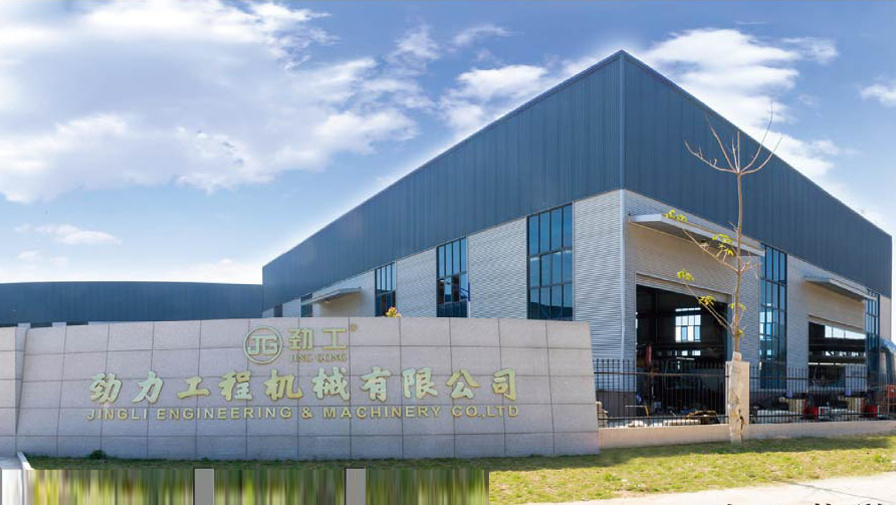
About UsQuanzhou Jinli Engineering Machinery Co., Ltd., established in July 2006, is a professional manufacturer specializing in design, development, production, and sales of equipment machinery.
-
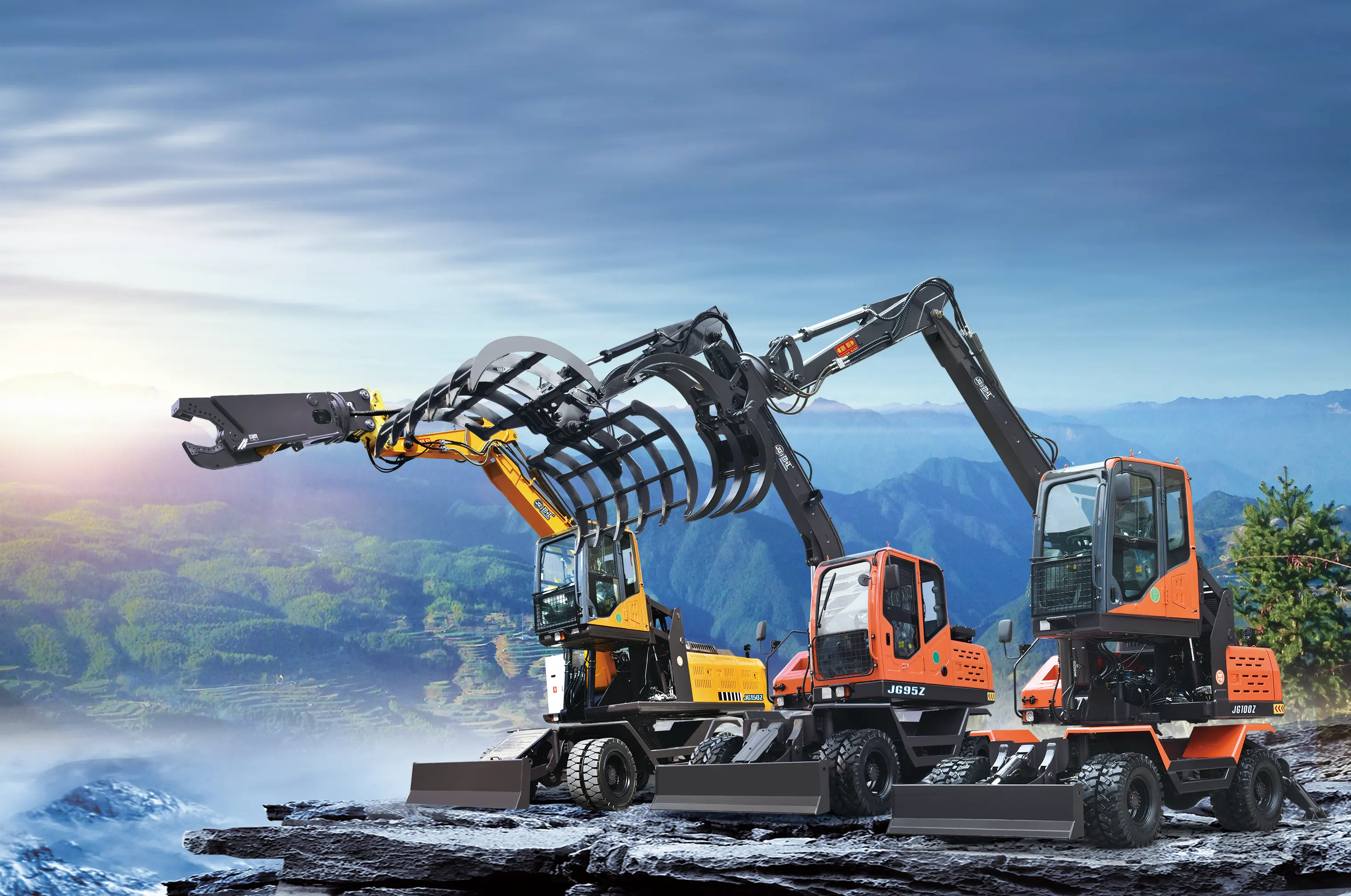
ProductsConstruction machinery: tire excavator, crawler excavator; Forestry machinery: bamboo and wood (sugarcane) picking and loading machines, multifunctional transfer machines; Harvesting machinery: whole rod sugarcane combine har
-
NewsJinggong adheres to the business philosophy of "technology supporting enterprises, quality bearing heavy trust", constantly develops new products guided by market demand, and presents satisfactory products to our customers.

-
ServiceSince its establishment, we have always adhered to the service philosophy of "being close, caring, full lifecycle, and full value chain".

-
Contact UsCorporate Honors We provide our customers not only with advantageous products, technologies, and services, but also with a comprehensive solution to meet diverse needs, thereby continuously creating value for customers and he


Online Inquiry

JINGONG
NEWS
Enhance Construction Efficiency with a Mobile Excavator
TIME:2023-10-17 11:40
1. Introduction: Why Mobile Excavators Are Essential for Construction Projects
In the fast-paced world of construction, efficiency is key. Mobile excavators have become essential equipment for construction projects of all scales. Their versatility, power, and mobility make them indispensable for various tasks, ranging from excavation and demolition to material handling and trenching. In this article, we will delve into the numerous benefits that mobile excavators bring to construction sites, helping you understand why they are a game-changer for enhancing construction efficiency.
2. Understanding Mobile Excavators: What They Are and How They Work
Mobile excavators, also known as wheeled excavators, are self-propelled machines equipped with a hydraulic system and a boom arm with a bucket attachment. They are designed to perform a wide range of tasks efficiently, thanks to their ability to move easily around construction sites. Powered by a diesel engine, these excavators use hydraulic power to operate the boom arm and bucket, allowing for precise and controlled movements. Their mobility enables operators to swiftly navigate through different terrains, making them ideal for construction projects that require frequent relocation.
3. Advantages of Mobile Excavators in Construction
3.1 Increased Mobility and Versatility
One of the primary advantages of mobile excavators is their mobility. Unlike traditional crawler excavators, which are limited to working on tracks, mobile excavators can move freely on wheels. This mobility allows them to access tight spaces, maneuver around obstacles, and work efficiently in various terrains, including urban areas and uneven surfaces. With a mobile excavator, you can carry out construction tasks with ease, regardless of the site's conditions.
3.2 Enhanced Productivity and Efficiency
Mobile excavators are built to maximize productivity and efficiency. Their powerful engines and hydraulic systems enable them to handle heavy-duty tasks, such as digging, lifting, and loading materials, with ease. The precise control they offer allows operators to work quickly and accurately, reducing downtime and enhancing overall project efficiency. Additionally, their mobility eliminates the need for additional equipment or manual labor, saving both time and resources.
3.3 Reduced Manual Labor and Costs
By utilizing a mobile excavator, construction projects can significantly reduce the need for manual labor, ultimately cutting down on costs. These machines are designed to perform tasks that would otherwise require extensive manual effort. With a mobile excavator, you can accomplish more in less time, allowing your workforce to focus on other critical aspects of the project. The reduced reliance on manual labor not only enhances efficiency but also minimizes the risk of injuries and fatigue among workers.
3.4 Improved Safety and Operator Comfort
Safety is paramount in construction sites, and mobile excavators prioritize operator comfort and safety. These machines are equipped with features such as ergonomic controls, operator cabins with excellent visibility, and advanced safety systems. Operators can work in a comfortable environment while maintaining a clear view of their surroundings. Additionally, mobile excavators are designed to be stable and secure, reducing the likelihood of accidents and ensuring a safer working environment for everyone involved.
4. Applications of Mobile Excavators Across Construction Sites
4.1 Excavation and Earthmoving
Excavation is a fundamental process in construction, and mobile excavators excel in this area. Their digging capabilities, coupled with their mobility, allow them to efficiently dig trenches, foundations, and utility lines. Whether you are working on a residential development or a large-scale infrastructure project, a mobile excavator can tackle excavation tasks with precision and speed.
4.2 Demolition and Site Clearing
Demolition and site clearing require robust equipment capable of handling heavy debris and materials. Mobile excavators are well-suited for these tasks, as they can effectively demolish structures, break concrete, and clear debris. Their versatility allows them to navigate through tight spaces, making them invaluable in urban areas where space is limited.
4.3 Material Handling and Loading
Transporting and loading materials is a common requirement in construction sites. Mobile excavators equipped with attachments such as grapples or buckets can efficiently handle materials, such as rocks, soil, or construction debris. Their mobility enables them to quickly move between different areas of the site, reducing the time and effort required for material handling.
4.4 Trenching and Drainage
Creating trenches and drainage systems is essential for many construction projects. Mobile excavators can dig precise trenches for utilities, such as water pipes, sewer lines, or electrical cables. Their ability to maneuver easily allows for efficient trenching, reducing the need for additional equipment or manual labor.
5. Key Features to Consider When Choosing a Mobile Excavator
5.1 Size and Weight Class
Mobile excavators come in various sizes and weight classes, each suitable for different applications. Consider the specific requirements of your construction project when selecting the size and weight class of your mobile excavator. Factors such as the scale of the project, the terrain, and the accessibility of the site should be taken into account.
5.2 Digging Depth and Reach
The digging depth and reach of a mobile excavator determine its capability to excavate and perform tasks efficiently. Evaluate the depth and reach requirements of your project and choose a mobile excavator model that matches those specifications. Opting for a machine with a wider range can provide flexibility for future projects as well.
5.3 Engine Power and Fuel Efficiency
The engine power of a mobile excavator determines its performance and productivity. Consider the power requirements of your construction tasks and select an excavator with an engine that can handle them effectively. Additionally, prioritize fuel efficiency to minimize operating costs and reduce the environmental impact.
5.4 Attachments and Customization Options
The availability of attachments and customization options can significantly enhance the versatility of a mobile excavator. Determine the specific attachments you may need for your project, such as buckets, grapples, or hydraulic hammers, and ensure that the chosen excavator model can accommodate them. Customization options, such as auxiliary hydraulic circuits, can also provide added flexibility for specialized tasks.
6. FAQs about Mobile Excavators in Construction
6.1 What is the cost of a mobile excavator?
The cost of a mobile excavator varies depending on factors such as the brand, model, size, and additional features. Prices can range from tens of thousands to several hundred thousand dollars. It is recommended to consult with equipment suppliers or dealers to determine the most suitable option for your budget and requirements.
6.2 How do I maintain a mobile excavator?
Proper maintenance is crucial for the longevity and performance of a mobile excavator. Regularly inspect and clean the machine, check fluid levels, and ensure timely servicing as per the manufacturer's guidelines. It is advisable to establish a maintenance schedule and address any issues promptly to avoid costly repairs or breakdowns.
6.3 Can a mobile excavator be used in tight spaces?
Yes, mobile excavators are designed to operate in tight spaces. Their compact size, maneuverability, and ability to rotate allow them to access confined areas. However, it is essential to evaluate the specific dimensions of the mobile excavator and the site to ensure compatibility and safe operation.
6.4 Are there different types of mobile excavators available?
Yes, there are various types of mobile excavators available, each designed for specific applications and conditions. Common types include compact mobile excavators, mini-excavators, and full-sized wheeled excavators. Assess your project requirements, site conditions, and the tasks you need to perform to determine the most suitable type of mobile excavator.
6.5 What safety measures should be taken while operating a mobile excavator?
Operating a mobile excavator requires adherence to strict safety protocols. Operators should undergo proper training and certification to ensure competence in operating the machine. Safety measures include wearing appropriate personal protective equipment, following site-specific safety guidelines, and conducting pre-operation inspections. Regular maintenance and inspections of the excavator are also essential to ensure safe and reliable operation.
7. Conclusion: Unlocking Construction Efficiency with a Mobile Excavator
In conclusion, mobile excavators are indispensable tools for enhancing construction efficiency and productivity. Their mobility, versatility, and powerful performance make them an excellent choice for a wide range of construction applications. By investing in a mobile excavator that suits your project requirements, you can streamline your construction processes, reduce manual labor, and achieve optimal efficiency. Embrace the advantages of mobile excavators and unlock the potential for enhanced construction efficiency in your next project.
Related News
Contact Us
No. 88, Pan Cuo, Jiaonan Village, Heshizhen, Luojiang District, Quanzhou City, Fujian Province


