
-
About UsQuanzhou Jinli Engineering Machinery Co., Ltd., established in July 2006, is a professional manufacturer specializing in design, development, production, and sales of equipment machinery.
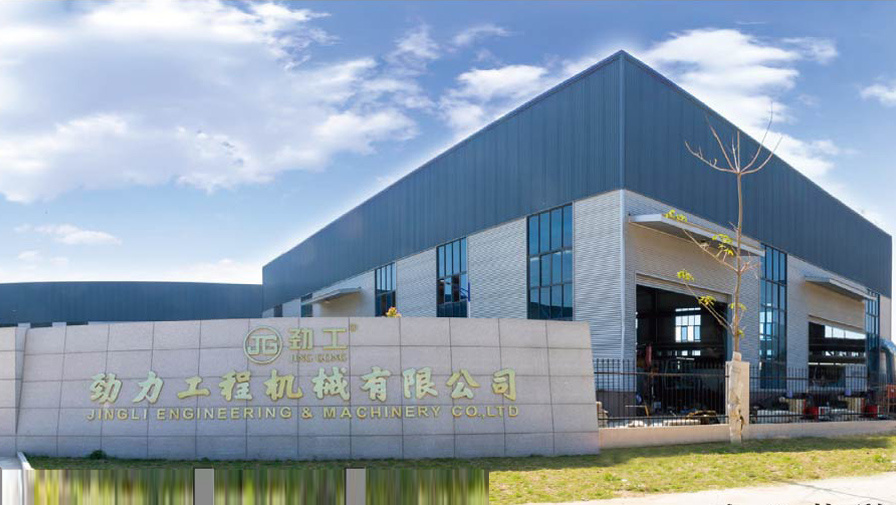
-
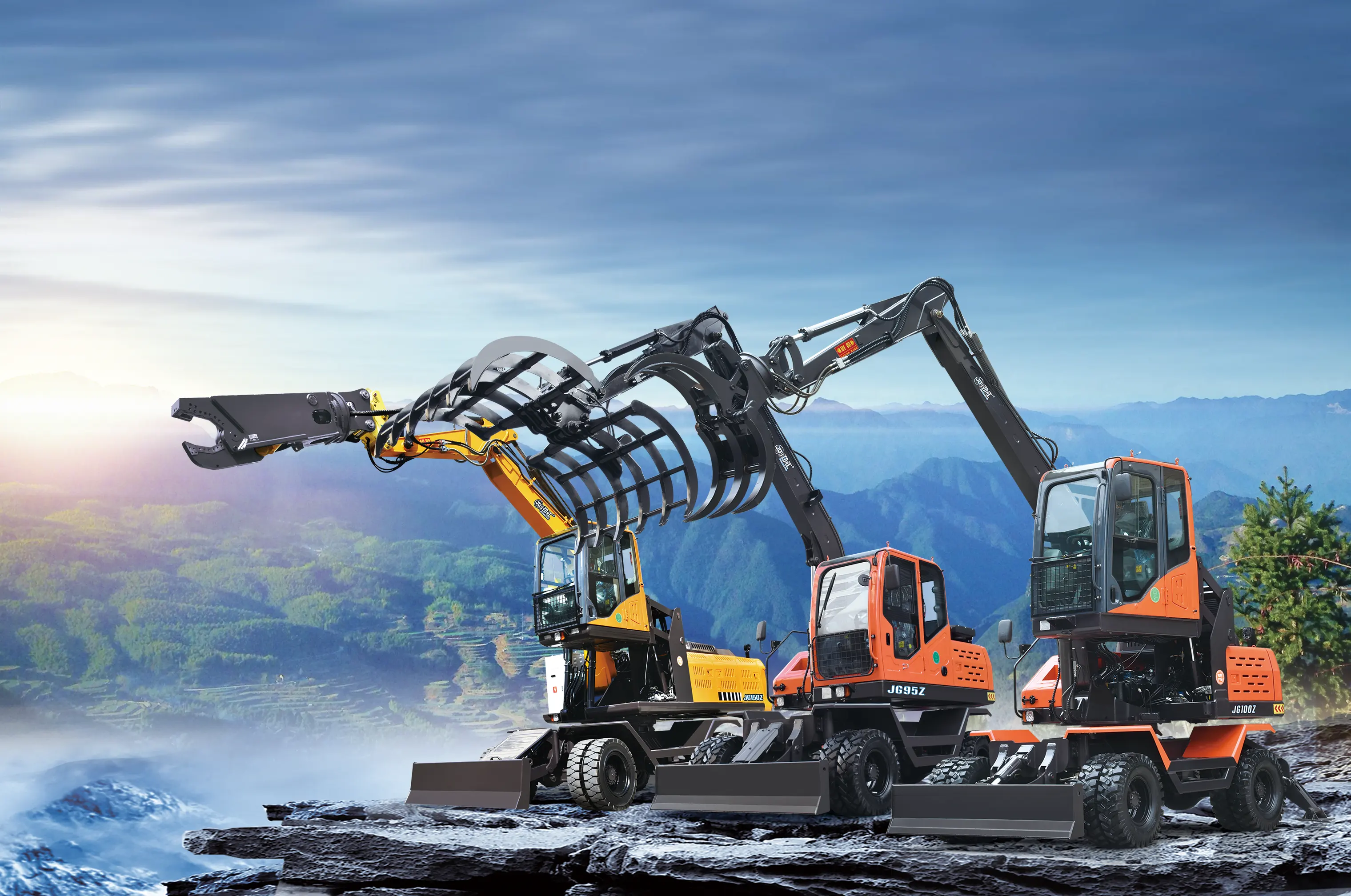
ProductsConstruction machinery: tire excavator, crawler excavator; Forestry machinery: bamboo and wood (sugarcane) picking and loading machines, multifunctional transfer machines; Harvesting machinery: whole rod sugarcane combine har
-
NewsJinggong adheres to the business philosophy of "technology supporting enterprises, quality bearing heavy trust", constantly develops new products guided by market demand, and presents satisfactory products to our customers.

-
ServiceSince its establishment, we have always adhered to the service philosophy of "being close, caring, full lifecycle, and full value chain".

-
Contact UsCorporate Honors We provide our customers not only with advantageous products, technologies, and services, but also with a comprehensive solution to meet diverse needs, thereby continuously creating value for customers and he


Online Inquiry

JINGONG
NEWS
The Ultimate Guide to Buying a Crawler Excavator: Everything You Need to Know before Making a Purchase
TIME:2023-11-11 10:41
1. Introduction to Crawler Excavators
Crawler excavators are powerful machines used in construction projects for digging, lifting, and moving heavy materials. They are equipped with tracks, allowing them to operate on various terrains, making them ideal for tasks such as trenching, demolitions, and excavations.
2. Types of Crawler Excavators
Crawler excavators come in different types, each designed for specific tasks. Some common types include:
- Standard Excavators: Versatile machines suitable for a wide range of applications.
- Mini Excavators: Compact and maneuverable excavators used in tight spaces.
- Long Reach Excavators: Ideal for deep excavation or reaching areas that are difficult to access.
- Demolition Excavators: Equipped with specialized attachments for demolishing structures.
- Amphibious Excavators: Designed to work in wetland or aquatic environments.
3. Factors to Consider before Buying a Crawler Excavator
Before making a purchase, it's crucial to consider the following factors:
- Job Requirements: Determine the specific tasks the excavator needs to perform to choose the right type and size.
- Operating Environment: Consider the terrain, weather conditions, and space limitations of your worksite.
- Fuel Efficiency: Opt for excavators that offer good fuel economy to reduce operating costs.
- Operator Comfort: Look for features like ergonomic controls, adjustable seats, and climate control systems for enhanced comfort.
- Brand Reputation and Support: Research reputable manufacturers known for quality products and reliable customer support.
4. Evaluating Key Features of Crawler Excavators
When assessing crawler excavators, pay attention to the following features:
- Engine Power and Performance: Consider horsepower, torque, and efficiency to ensure the excavator meets your workload requirements.
- Digging Depth and Reach: Determine the maximum depth and distance the excavator can reach to match your project needs.
- Hydraulic System: Check for smooth operation, speed, and reliability of the hydraulic system, which powers the excavator's movements.
- Bucket Capacity and Attachments: Evaluate the size and versatility of the bucket attachment options that suit your specific tasks.
- Cab Design and Visibility: Look for a comfortable and well-designed operator cabin with excellent visibility for improved safety and productivity.
5. Determining the Right Size of Crawler Excavator
Choosing the appropriate size of a crawler excavator is crucial to ensure optimal performance. Factors to consider include:
- Job Scope: Determine the size of the worksite and the scale of the projects you'll be undertaking.
- Soil Conditions: Consider the type of soil you'll be working with, as different soil types require varying excavation forces.
- Transportability: Assess whether the excavator can be easily transported to and from the worksite.
6. Budget Considerations for Buying a Crawler Excavator
When setting a budget for your excavator purchase, take into account the following:
- Initial Investment: Consider the upfront cost of the machine, including any additional attachments or accessories you may need.
- Operating Costs: Evaluate fuel consumption, maintenance requirements, and potential repair expenses.
- Resale Value: Research the depreciation rate and resale value of different brands and models.
- Financing Options: Explore financing options available to help manage the financial burden.
In conclusion, buying a crawler excavator requires careful consideration of various factors, including job requirements, operating environment, budget, and maintenance needs. By understanding the types, key features, and sizing considerations, you can make an informed decision that will meet your construction needs and drive productivity on your worksite. Remember to seek expert advice and compare different options before finalizing your purchase.
Related News
Contact Us
No. 88, Pan Cuo, Jiaonan Village, Heshizhen, Luojiang District, Quanzhou City, Fujian Province


